From purpose
to progress.
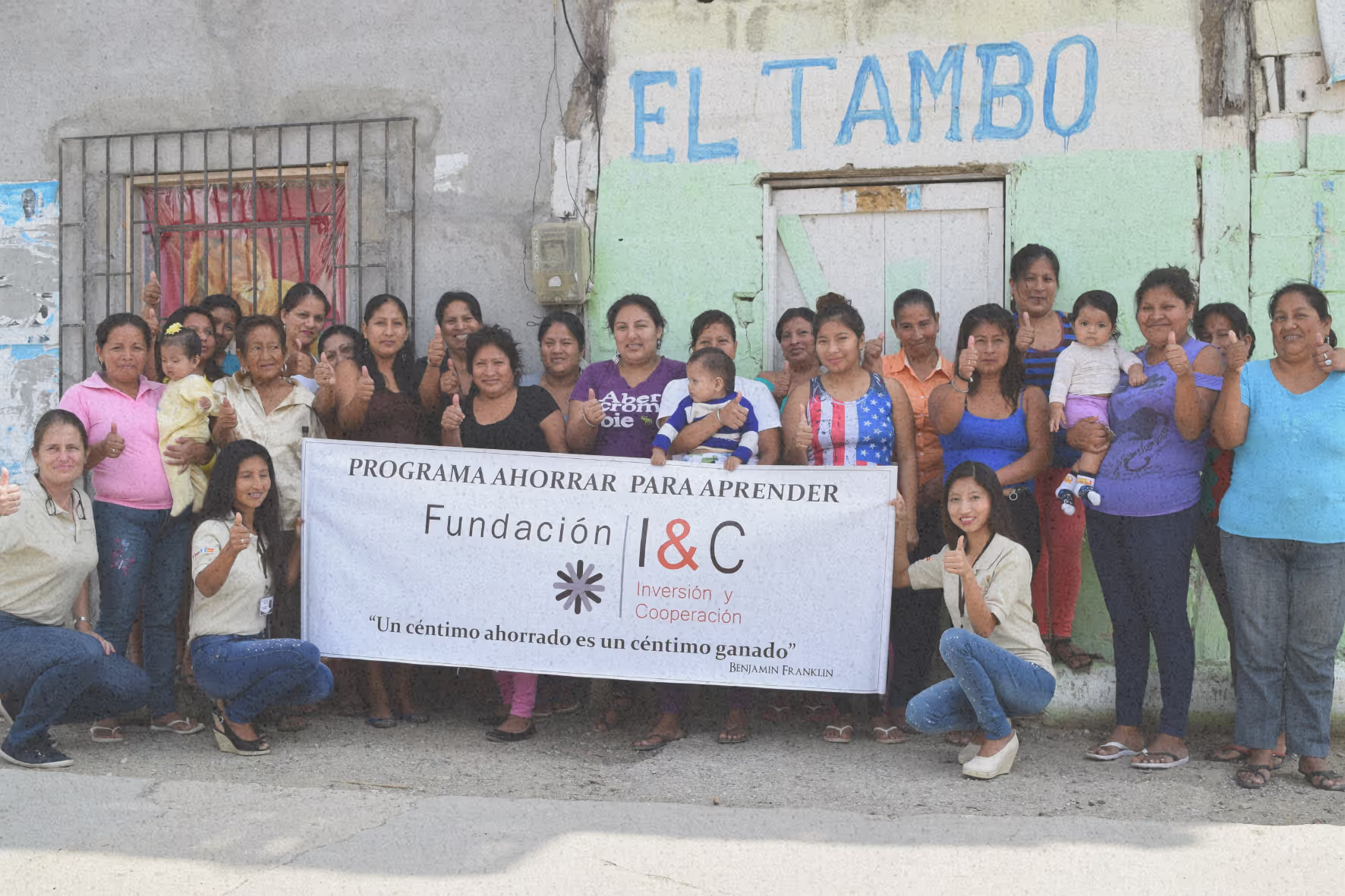
Our work is born from the conviction that a world where everyone has the chance to prosper is possible. Our project is born from observing what is essential: strengthening financial literacy and personal finance. Our way of operating is built on peak standards and constant self-evaluation. Our way of funding is built on the belief that only self-sustainability guarantees the future.
.avif)
.avif)

Limits make us stronger.
At Savinco, being a social enterprise means being honest about where our model works best, and where it doesn’t. Recognizing our limits isn’t a weakness; it’s how we build trust, improve continuously, and stay accountable to our partners and communities.

Our savings groups are built on trust and strong social bonds. This makes the model very effective in communities where people already know and support each other, and where even small amounts of savings are possible. But it also creates natural boundaries.
In cases of extreme poverty, where families have no capacity to save at all, the model cannot be applied effectively. Likewise, remote or sparsely populated areas pose difficulties because each advisor must work with multiple groups to keep the model economically sustainable.
We can’t always reach individuals who lack family or community networks, and our methodology faces challenges in urban contexts where trust-based group dynamics are harder to sustain.
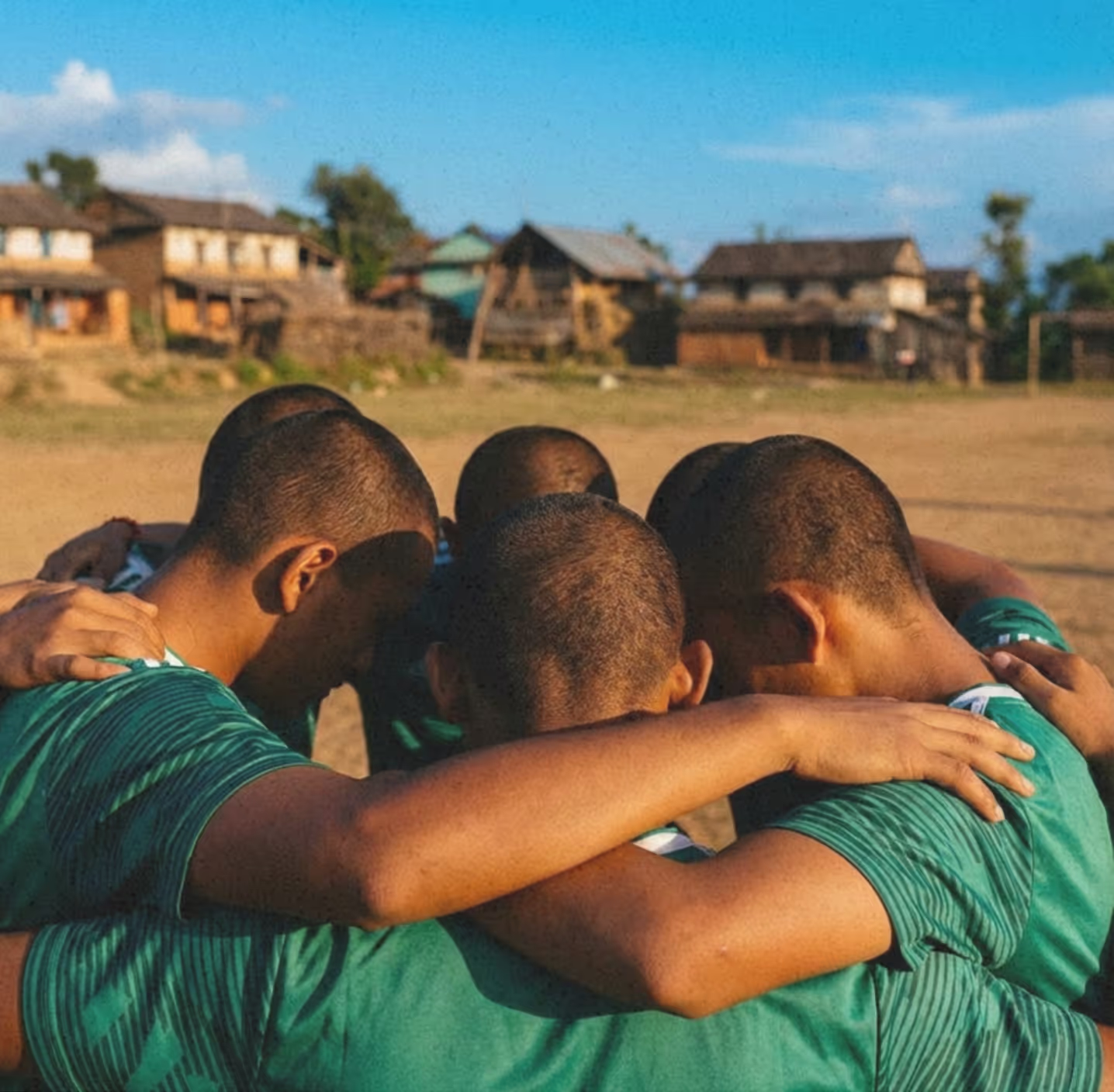
Savinco’s model seeks to advance financial and collective autonomy. From an external perspective, however, this creates an apparent paradox: the more autonomy communities achieve, the less predictable or standardized their outcomes become.
Some groups will use independence to flourish and expand, while others may follow slower, less linear, or even fragile paths. This variability does not signal weakness in the model, but rather reflects the very essence of autonomy: self-determined development resists uniform control. Recognizing this helps shift the focus from externally imposed metrics to more nuanced forms of accountability, where diversity of outcomes is a legitimate expression of genuine community ownership.

Savinco’s model seeks to advance financial and collective autonomy. From an external perspective, however, this creates an apparent paradox: the more autonomy communities achieve, the less predictable or standardized their outcomes become.
Some groups will use independence to flourish and expand, while others may follow slower, less linear, or even fragile paths. This variability does not signal weakness in the model, but rather reflects the very essence of autonomy: self-determined development resists uniform control. Recognizing this helps shift the focus from externally imposed metrics to more nuanced forms of accountability, where diversity of outcomes is a legitimate expression of genuine community ownership.

We explicitly recognize that “improving quality of life” is a complex and subjective goal, difficult to define and even harder to measure with precision. Our work focuses on economic, educational, and community dimensions, while acknowledging that no single pathway —including financial growth— can universally guarantee well-being.
It is valid to question whether economic and financial development alone can be understood as the primary route to a better life. For this reason, our commitment is not to promise outcomes we cannot ensure, but to provide the conditions that make them possible: educational resources, community trust, and practical tools that empower people to pursue fuller and more satisfying lives on their own terms.
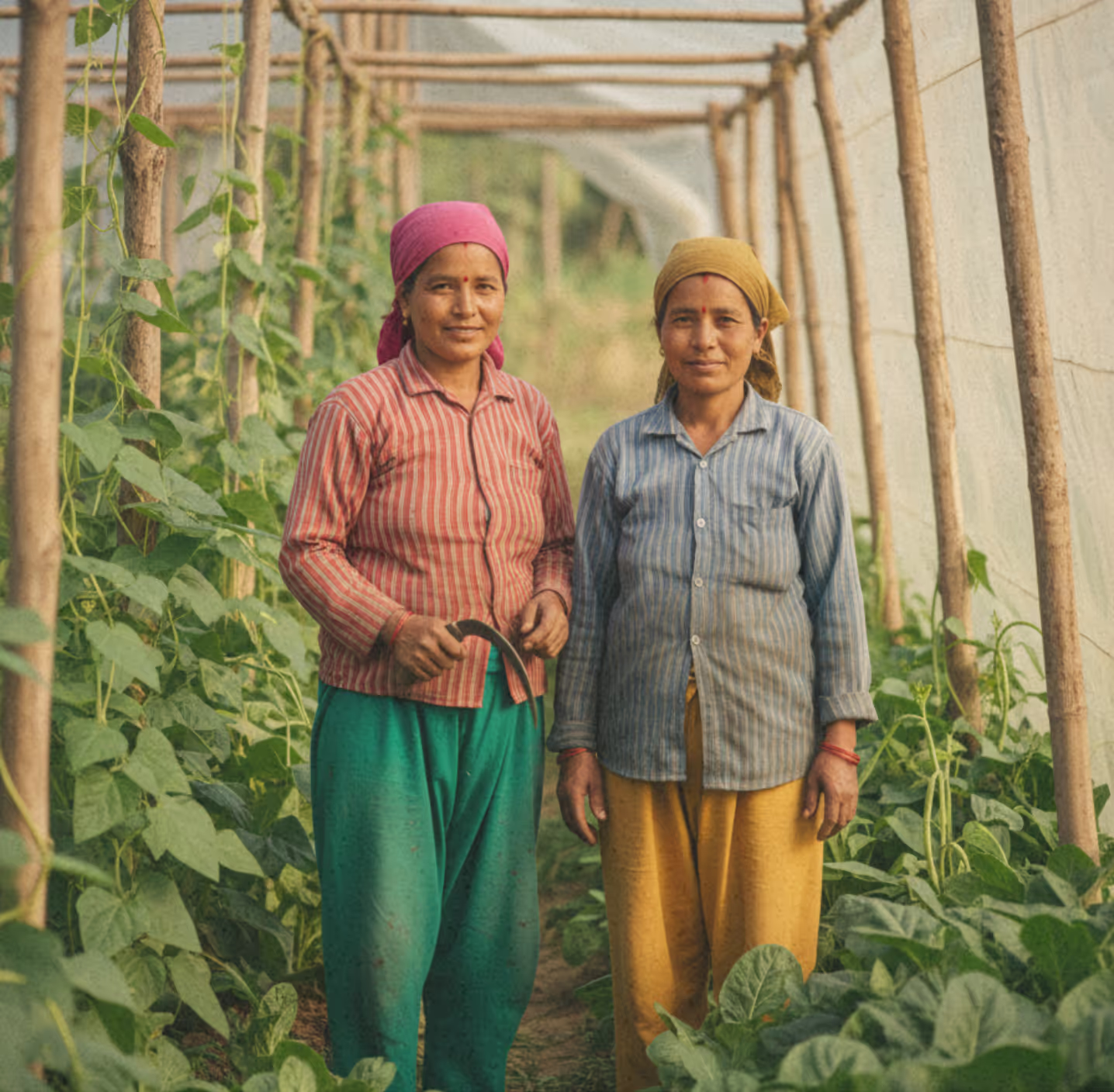
Savinco cannot fully monitor or control how groups use their pooled funds. We rely on trust and community responsibility, accepting that ethical dilemmas may emerge when resources are directed toward questionable purposes.
At the same time, while education and community are central to our vision, their development remains incomplete. So far, our focus has been on financial and operational sustainability. The next step is to build deeper educational methodologies and stronger strategies for lasting community bonds.

Global expansion requires alliances with external partners, which can accelerate growth but also risk diluting identity and values. Scaling demands simplification, while deep impact calls for local adaptation. Technology is essential, yet must be balanced with human-centered approaches to avoid digital exclusion.
Savinco also holds a vast database from groups, but its use is not yet fully optimized. Unlocking its potential will require collaboration with external experts, allowing us to better understand impact and refine the model with greater precision.
Where we operate.
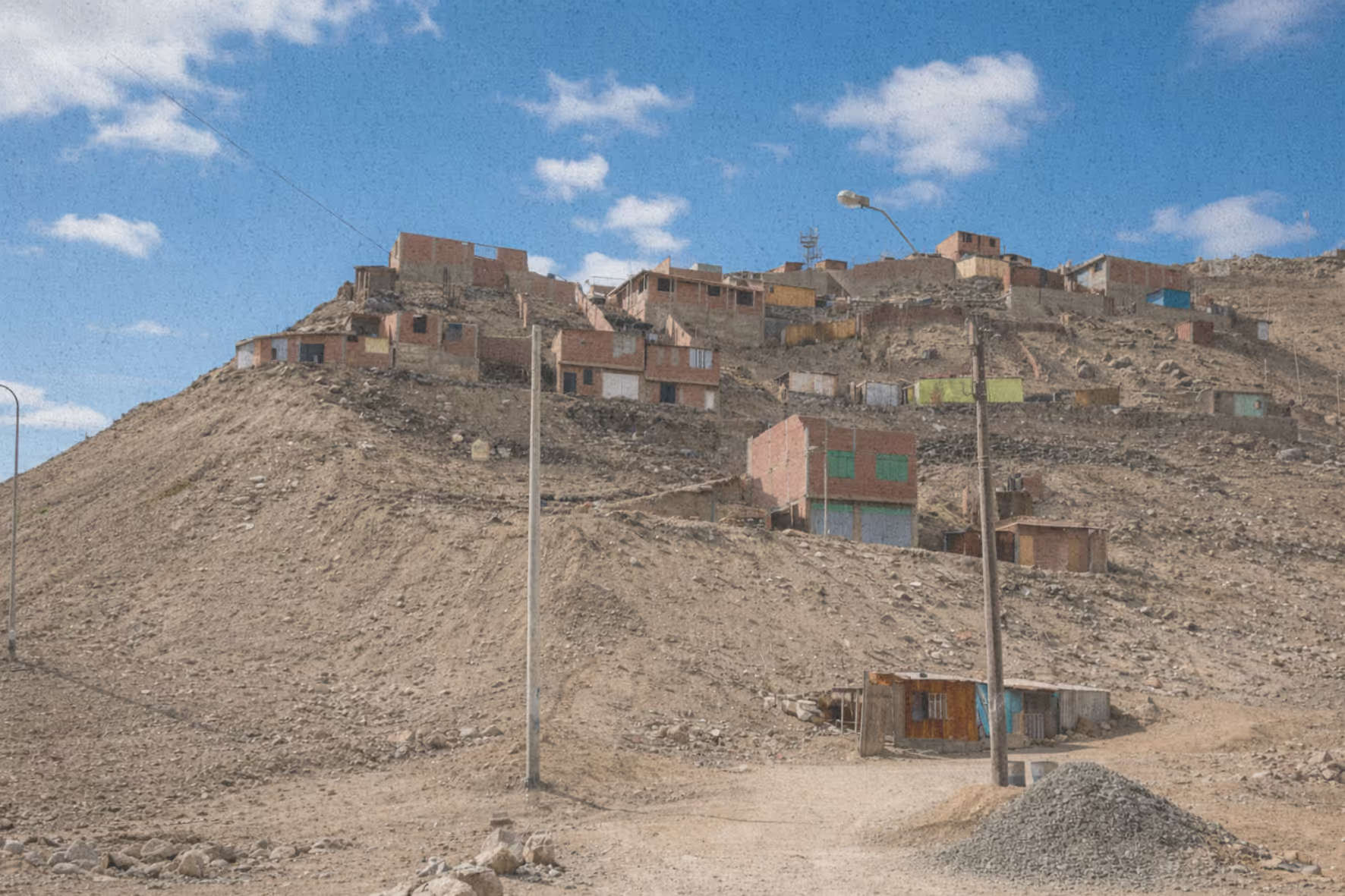
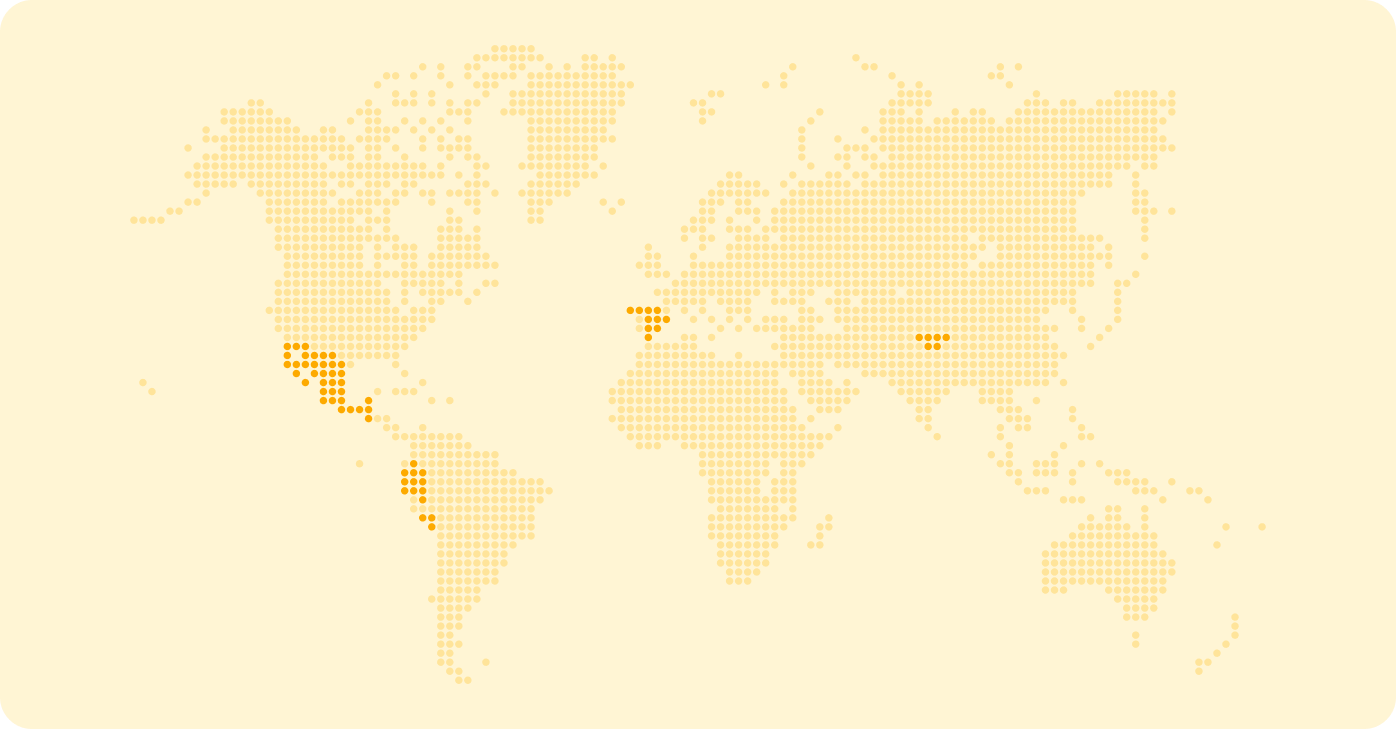
We are currently operating in Ecuador, Peru, Nepal and Spain.
Our aspiration is to extend our presence wherever there is a need!
Our team.
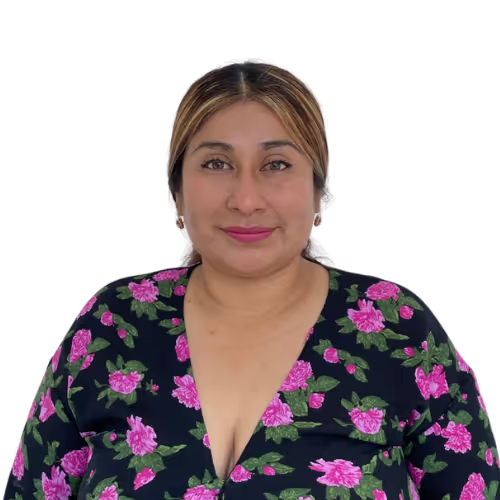
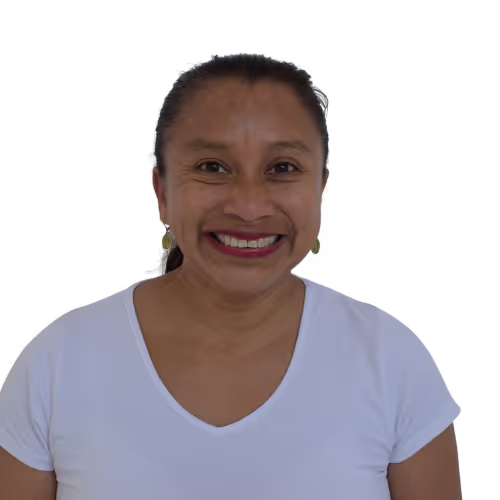
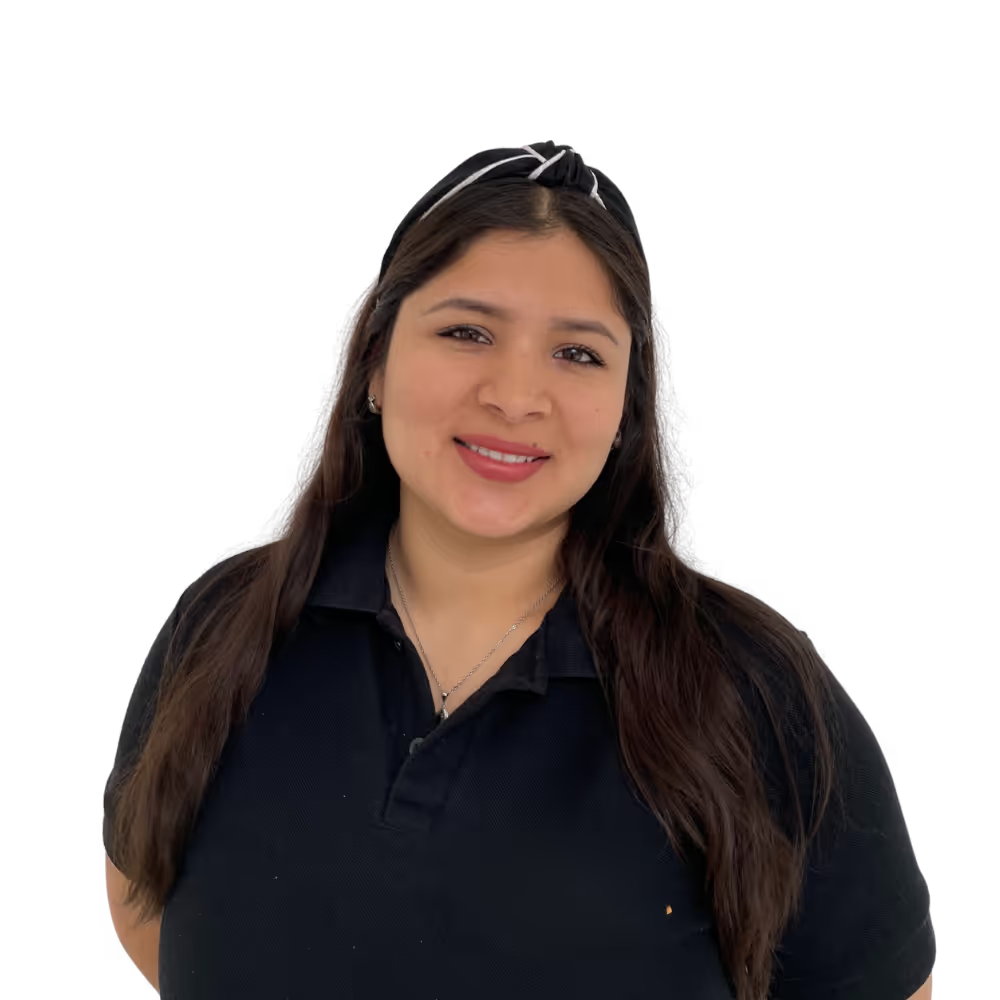
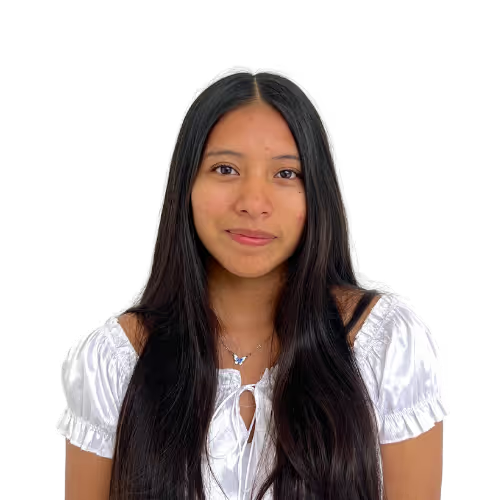
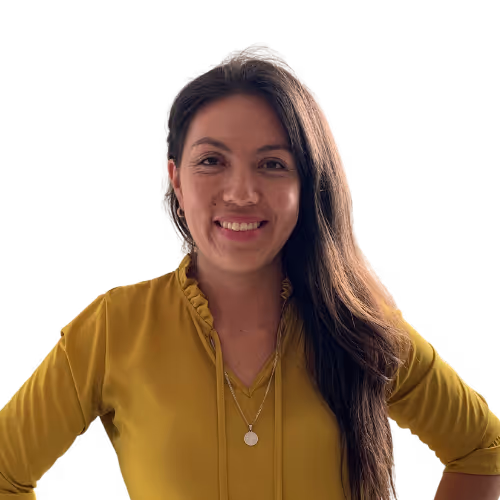
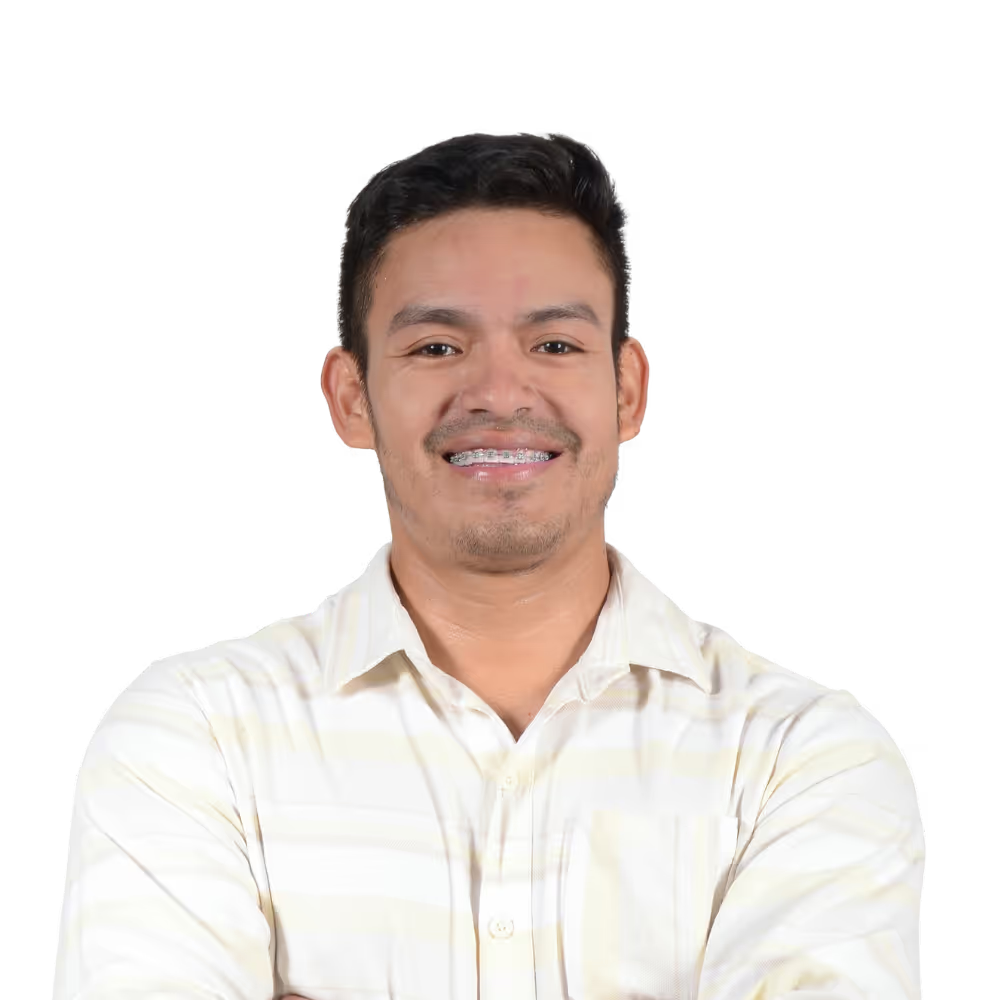
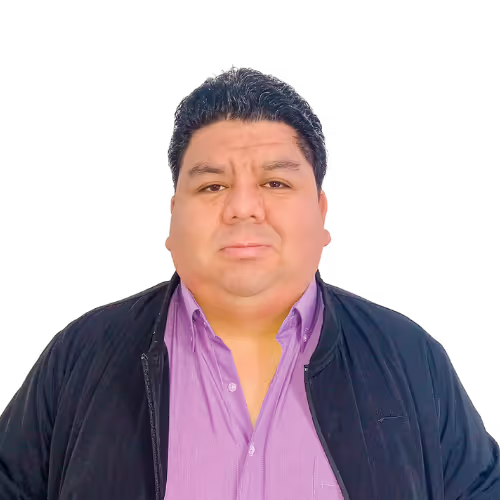
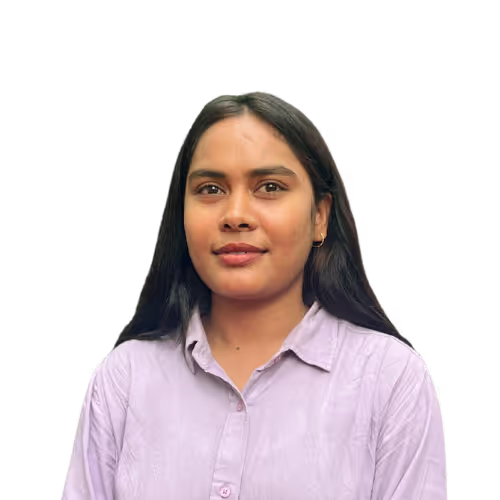
Behind the project is a team of over 100 people passionate about changing the world. Most of our members are field advisors working on the ground daily, supported by facilitators, area managers, project managers, and promoters.
Our office teams manage supervision, accounting, communication, and HR, while our technology, operations, and business directors strive to maintain, scale, and constantly add value to the project.
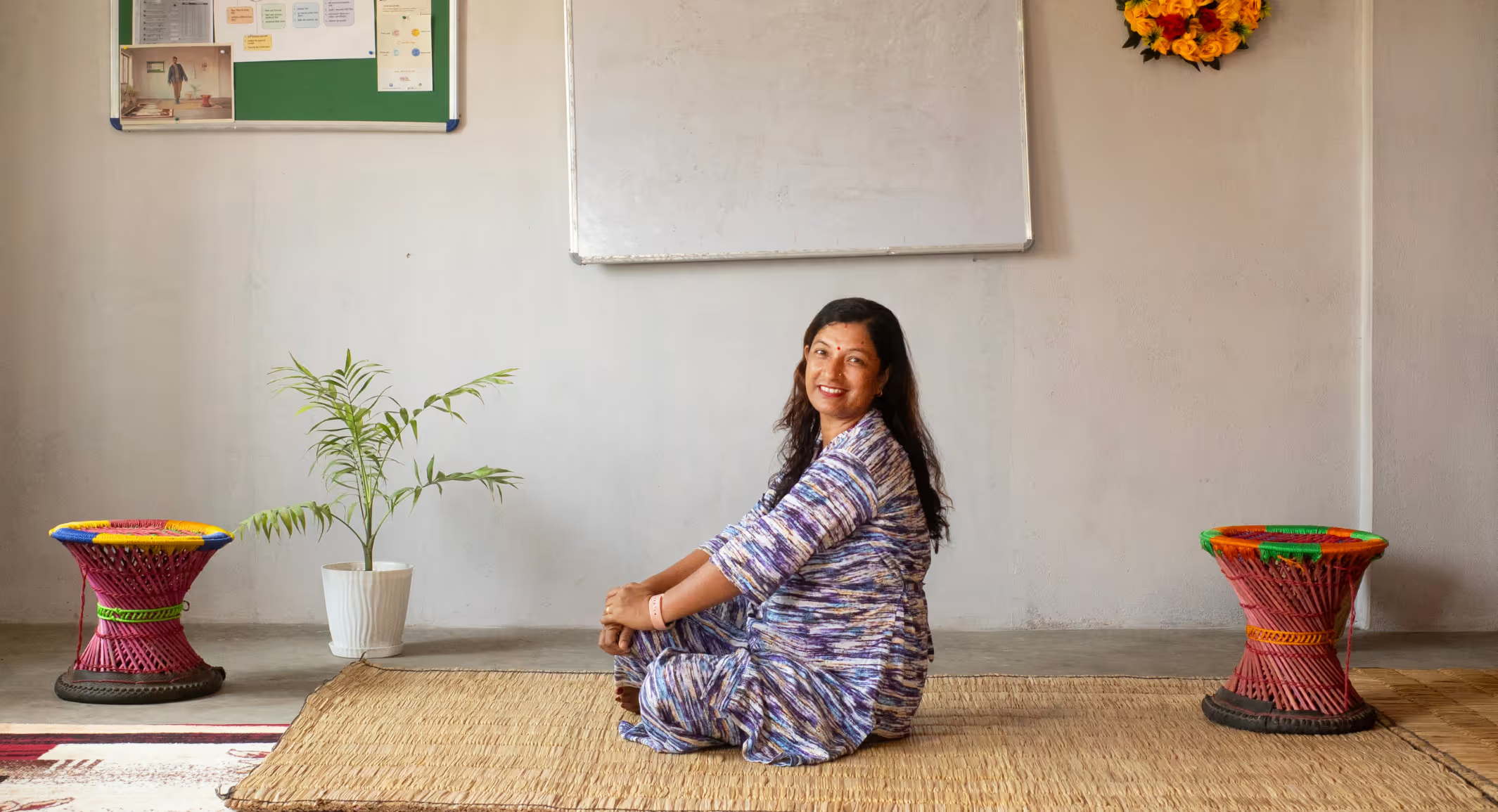
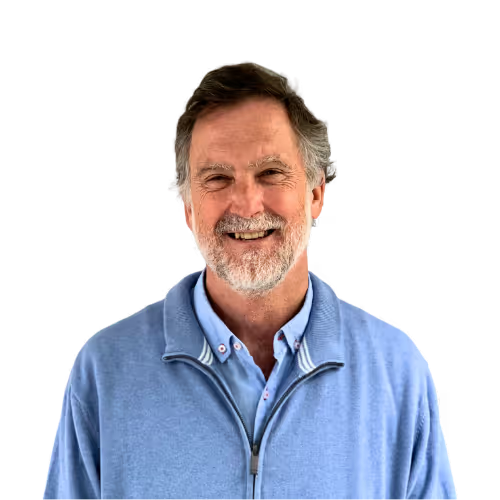
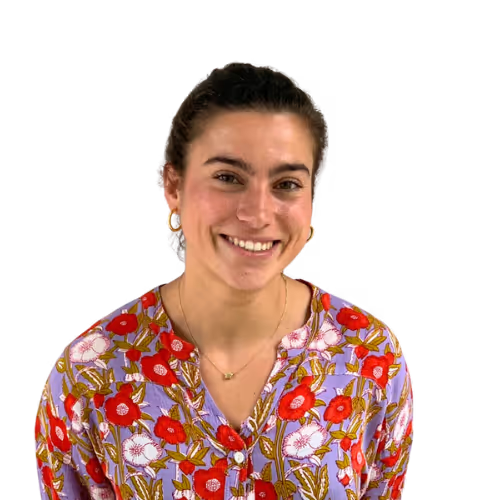
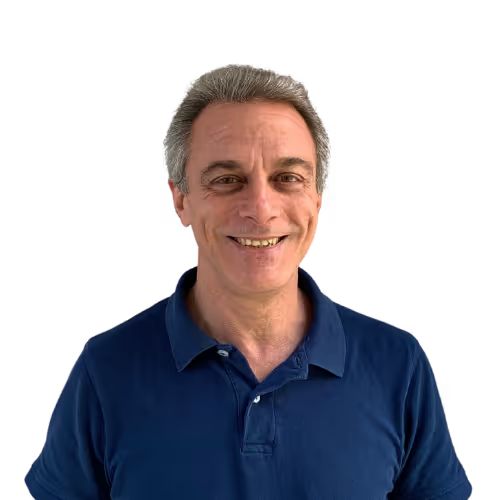
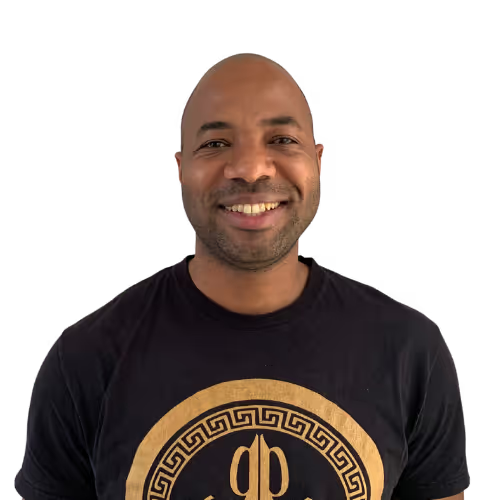
Here we feature the names and faces of our regional office teams. However, we want to emphasize the vital importance of everyone who makes this project possible through their daily work on the ground. If we were to list them all here, this section would go on forever!
Spain


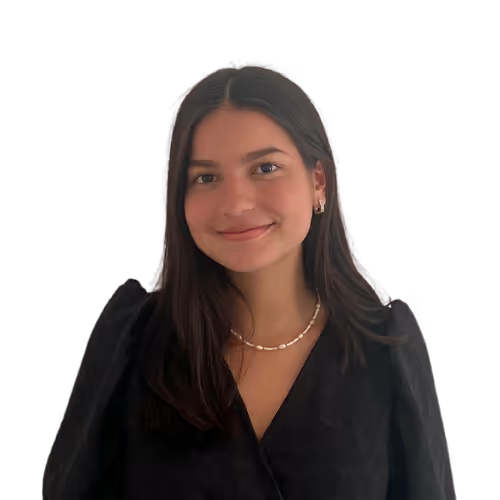
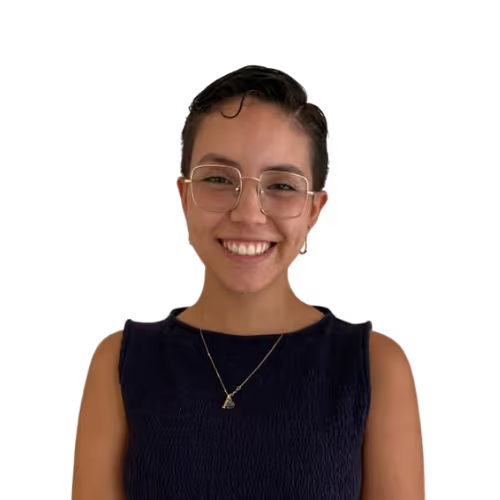
Ecuador
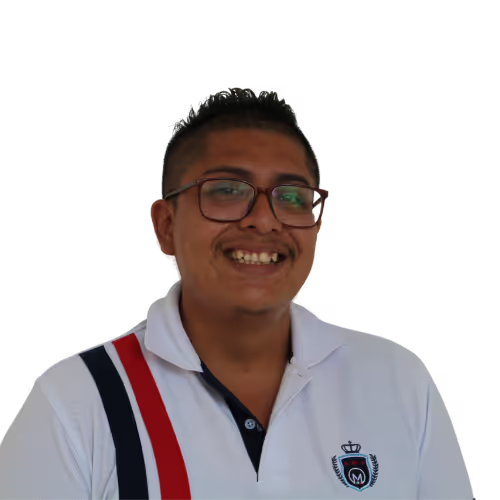
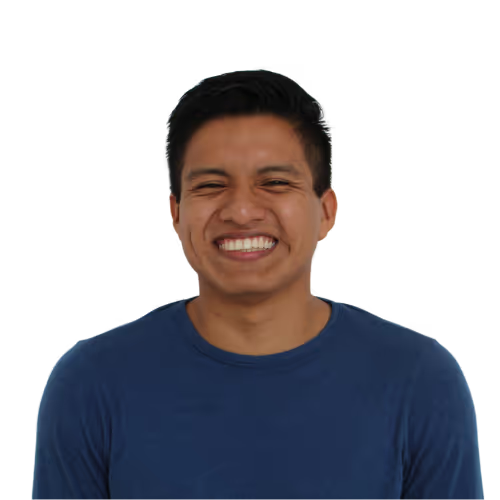




Peru


Nepal

.avif)
Want to create a group?
Creating a savings group is simple — but its impact is powerful. We will guide you through the process, provide the tools, and support your group as you grow together.